Back in March 2026, I attended KubeCon EU 2026 with support from the Travel Fund (CNCF Dan Kohn Scholarship), so here are my notes for the record. It seems there isn’t much out there on the internet about applying for the Travel Fund and attending KubeCon or other LFX/CNCF events with it, so I hope this post is useful to someone.
The technical talks and recaps have already been covered at places like Kubernetes Meetup Tokyo #74 KubeCon Europe 2026, so I’m going to focus mainly on the application-to-acceptance process and the vibe on the ground.
How it started#
At the end of 2025, when I was at Open Source Summit Japan, I mentioned to logica0419 that I wanted to go to a big event like KubeCon EU or NA while I was still a student, and they told me KubeCon has a program called the Travel Fund that I could use for that.
At the time I was a second-year master’s student, and I’d already decided I’d start working in April, so I figured I might as well go while I was still a student, and decided to apply targeting KubeCon EU in March 2026.
KubeCon (and probably Linux Foundation events in general) has this Travel Fund mechanism, which supports people who want to attend an event but can’t, or find it difficult to (mainly for financial reasons), covering all or part of the cost.
For details you should check the official page, but here’s the gist:
- It subsidizes airfare (economy), hotel costs for the event period plus the nights before/after, and round-trip transportation to/from the airport (both in Japan and locally)
- You write the amount you’d like support for at application time, and the organizers approve some or all of it
- Funds are disbursed as a reimbursement, through an expense system
The fact that it’s reimbursement-based is an important point to note: even if you’re approved for support, you need to front the cost of the flight and hotel yourself for a while (a few months). If you’re attending an event in Europe or the US from Japan, you’ll need a chunk of money on the order of several hundred thousand yen for flights + hotel etc., so if you’re thinking of applying, you need to be mindful of your cash flow during that period.
From application to acceptance#
Right after getting home from Open Source Summit Japan, I applied for the KubeCon EU Travel Fund. This was early December 2025, and applications for KubeCon EU, which would be held in late March 2026, were already open. The deadline and notification were in early February 2026, so it seems the final list of supported attendees gets decided about 1.5 months before the event.
By the way, when applying you need to submit things like the following:
- How much support you’d like (USD)
- Why you’d like support / why you want to attend KubeCon
- Your track record of contributions to the Kubernetes/CNCF community
- (Various other bits of information)
Estimating how much you’ll need is pretty tricky. Hotel costs and minor transportation costs are one thing, but airfare can swing quite a bit between 4 months out and the day of, and there’s a gap between applying and actually purchasing.
If I recall correctly, based on what I researched around application time (Dec 2025), a direct NRT <> AMS flight (KLM) was around 2,700 USD, while a connecting flight could be booked for about half that. Hotels a bit away from the venue, 3-4 star, were 130-150 USD/night, so I submitted an application with an estimate of 2,500 USD. The rough breakdown was as follows.
- Airfare: 1,800 USD
- Hotel: 150 USD * 4
- Other/buffer: 100 USD
- Total: 2,500 USD
At the point of applying you don’t know whether you’ll be accepted, so at that stage all you can do is book a refundable fare, or book while being prepared to pay a cancellation fee if you’re not accepted. (One more small thing: if you calculate based on JPY you’re exposed to exchange-rate fluctuation, so I think it’s better to do all your calculations in USD or EUR.)
Once you’ve worked out a budget estimate, you need to write about “why you want to attend KubeCon” and “what you’ve done so far,” etc.
In my case, I mainly wrote about the following two things.
- My track record of OSS contributions in Kubernetes/CNCF
- As a CNCF Ambassador / maintainer, there’s value (both to me personally and to the community as a whole) in networking with people from all over the world
Of course it helps to have objective material backing that up, so I’d recommend having something ready, whether it’s a blog or GitHub PRs.
From acceptance to the day of#
In early February I got the acceptance notice for full support of 2,500 USD. The things I needed to do before the event were booking the hotel and flights, and registering for any visas or entry systems (e.g., ESTA/ETIAS) as needed. That said, if you hold a Japanese passport, you can enter most of the countries/regions where KubeCon is held without a visa. ETIAS still hasn’t launched, so in the end I was able to enter the Schengen area without a visa. The cases you probably need to watch out for are roughly these:
- India (visa required)
- US (ESTA application)
- EU (once ETIAS launches)
It’s probably best to just search for whatever’s relevant here as needed.
Airfare had gone up by about 10-20% since application time, so I booked as soon as the acceptance notice came in. My personal preference would’ve been a direct flight on a Japanese carrier / Star Alliance, but I could only put together about 2,000 USD max for a round trip, so weighing everything I booked a Cathay Pacific flight connecting through Hong Kong for about 1,800 USD. Details below:
Outbound
- CX521 (NRT -> HKG)
- CX271 (HKG -> AMS)
Return
- CX270 (AMS -> HKG)
- CX6322 (HKG -> NRT; operated by JL)
Hotels near the venue were expensive and I figured I’d run into a lot of people there, so I booked a hotel a bit away from the venue for 150 USD/night, 4 nights.
The trip#
Day 0#
Travel from NRT -> HKG -> AMS. Left NRT in the evening, arrived in AMS the next morning. About 17 hours of travel total (+2 hours of transit), which works out to roughly 24 hours of travel all told once you add everything up.
I was exhausted.
Day 1 (pre-conference; Co-located Events)#
I landed in AMS around 6am, and about 1-2 hours later I’d finished immigration, currency exchange, and everything else. From there I headed straight to the venue and went right into the Co-located Events. Looking back, that was a pretty packed schedule. This is the day when things like ArgoCon and CiliumCon, Co-located Events hosted by various ecosystems and communities, are held.
My main goal for the day was to attend Platform Engineering Day and say hello to the organizers. That’s because I’m one of the founders of Cloud Native Platform Engineering Japan, and Platform Engineering Day is run by Upstream (as I understand it), so I had a bunch of things I wanted to talk about with them.
I managed to meet the leadership folks and had a lot of good conversations, which was great. Colin Griffin, one of the people leading the community, agreed to speak at the upcoming KubeCon Japan Co-located Event (Platform Engineering session), so I’m really looking forward to that.


I spent the morning wandering around like that, and ended up having lunch with Colin, and Eddie Knight and Dylan Page, who happened to be nearby, joined us too. It turned into a pretty amazing lunch for day one, and we had a lot of great conversations.
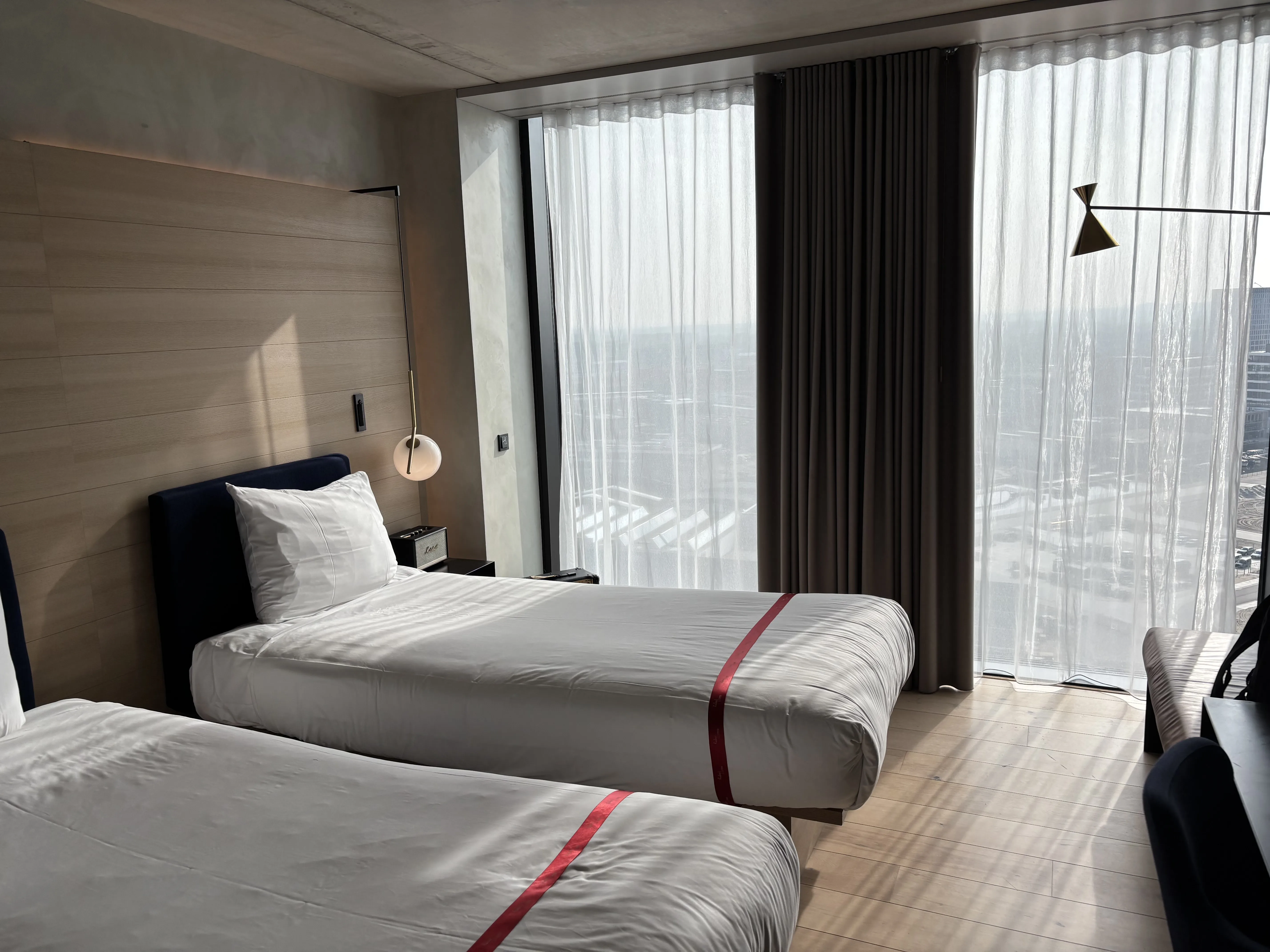
In the afternoon I listened to a bit of a few sessions I was interested in, like ArgoCon, but I hadn’t gotten proper sleep in almost 48 hours and had an early start the next morning, so I decided to head back to the hotel and sleep early. The hotel I’d booked was very comfortable.
Day 2 (KubeCon day 1)#
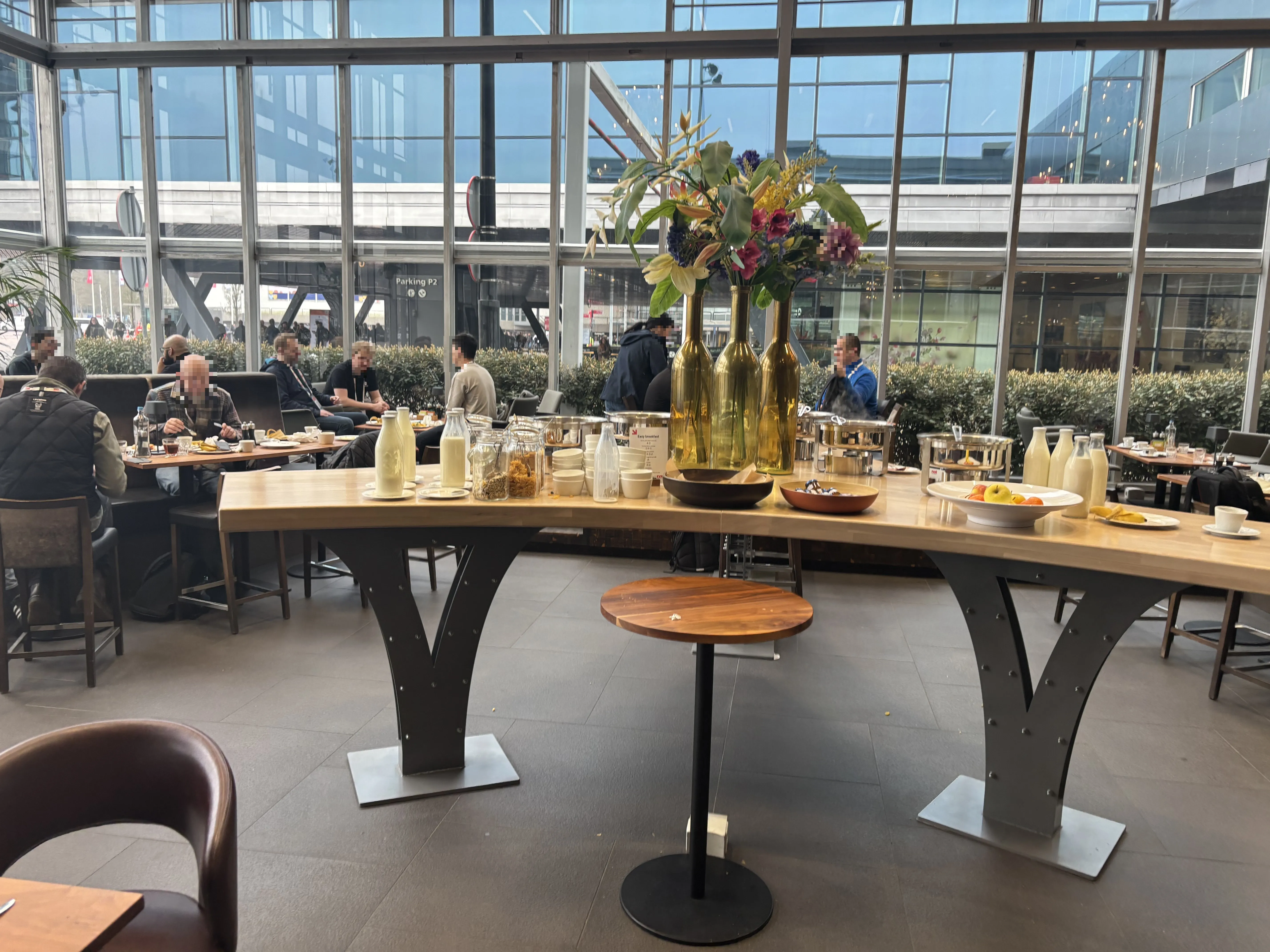
On the first day of KubeCon there’s usually something called the Ambassador breakfast, an event for CNCF Ambassadors to network over breakfast. Apparently it’s now also open to Kubestronauts (people who’ve earned all the Kubernetes-related certifications?), which seems like one more motivation to become an Ambassador or Kubestronaut. There were tables set up by region, so I got to network especially with people who’d come from Asia.
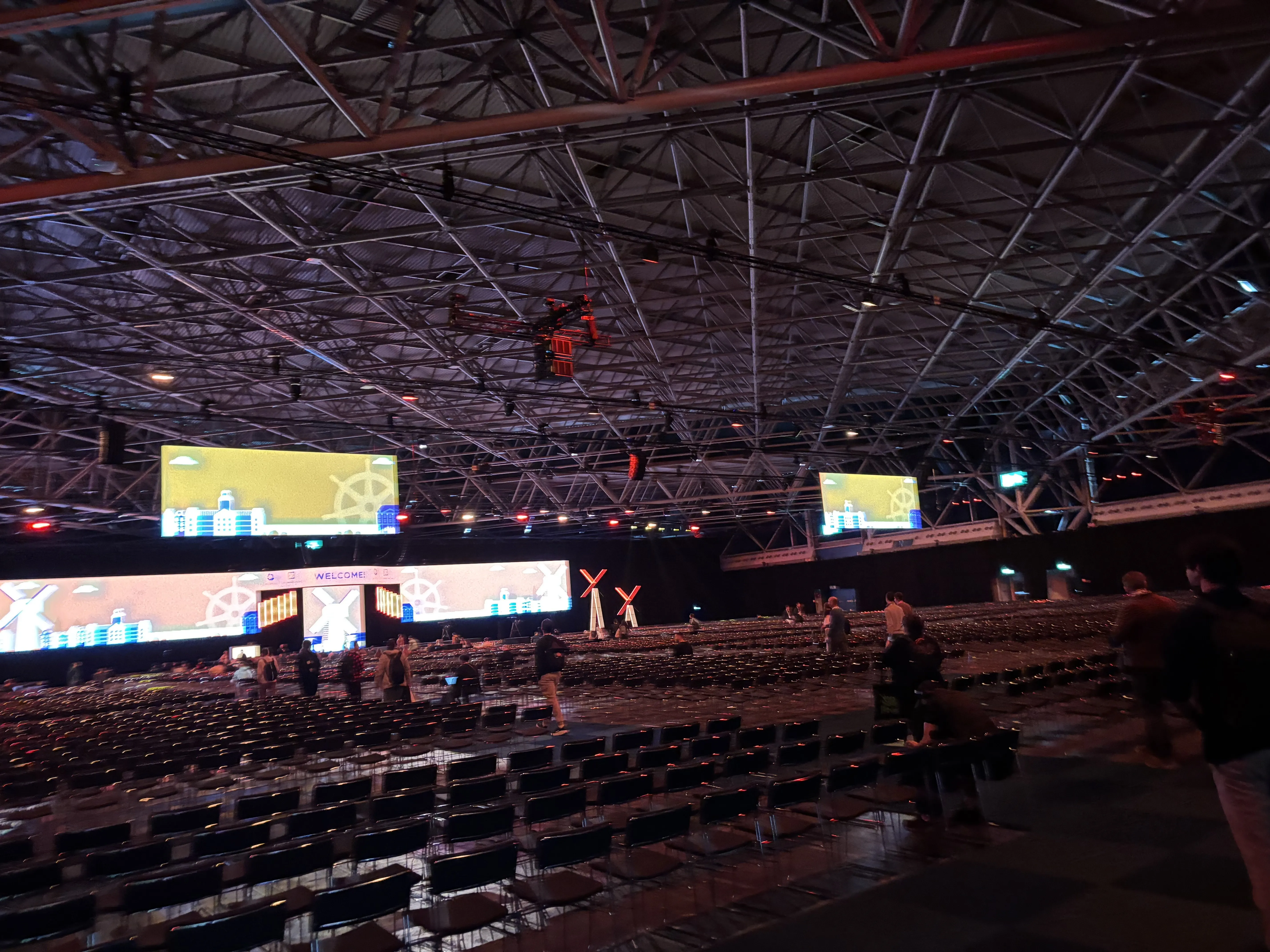
After finishing breakfast there, I headed straight to the keynote venue. The sheer size of it was pretty stunning.
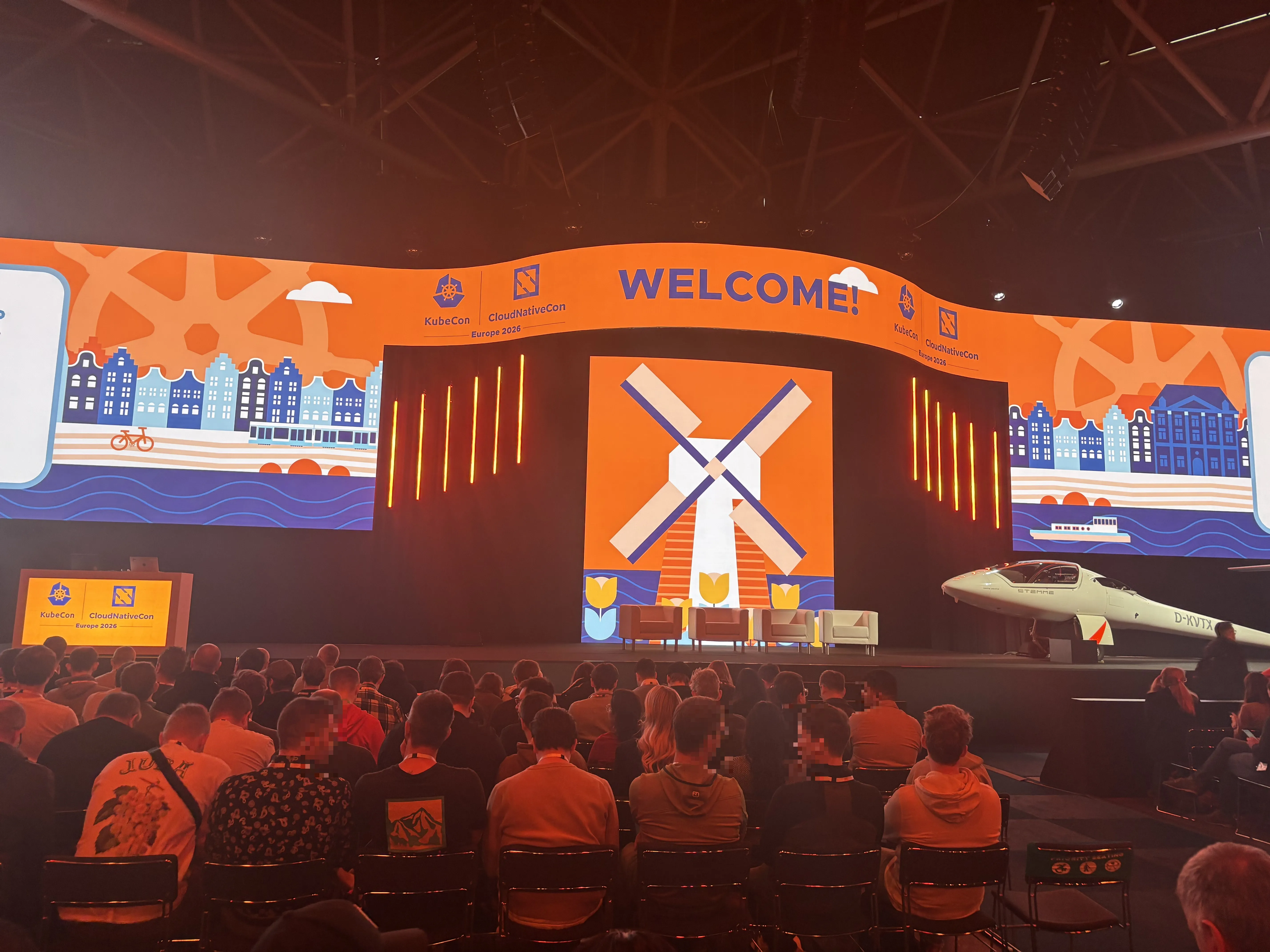
FYI: a photo of the venue I took on a different day when it was empty
After the keynote I wandered around the venue and chatted with various people. I had a packed schedule the next day, so I also went around the sponsor booths that day. There were several products I use at work, and some interesting-looking tools around generative AI too, so I got to hear a lot of good stories.
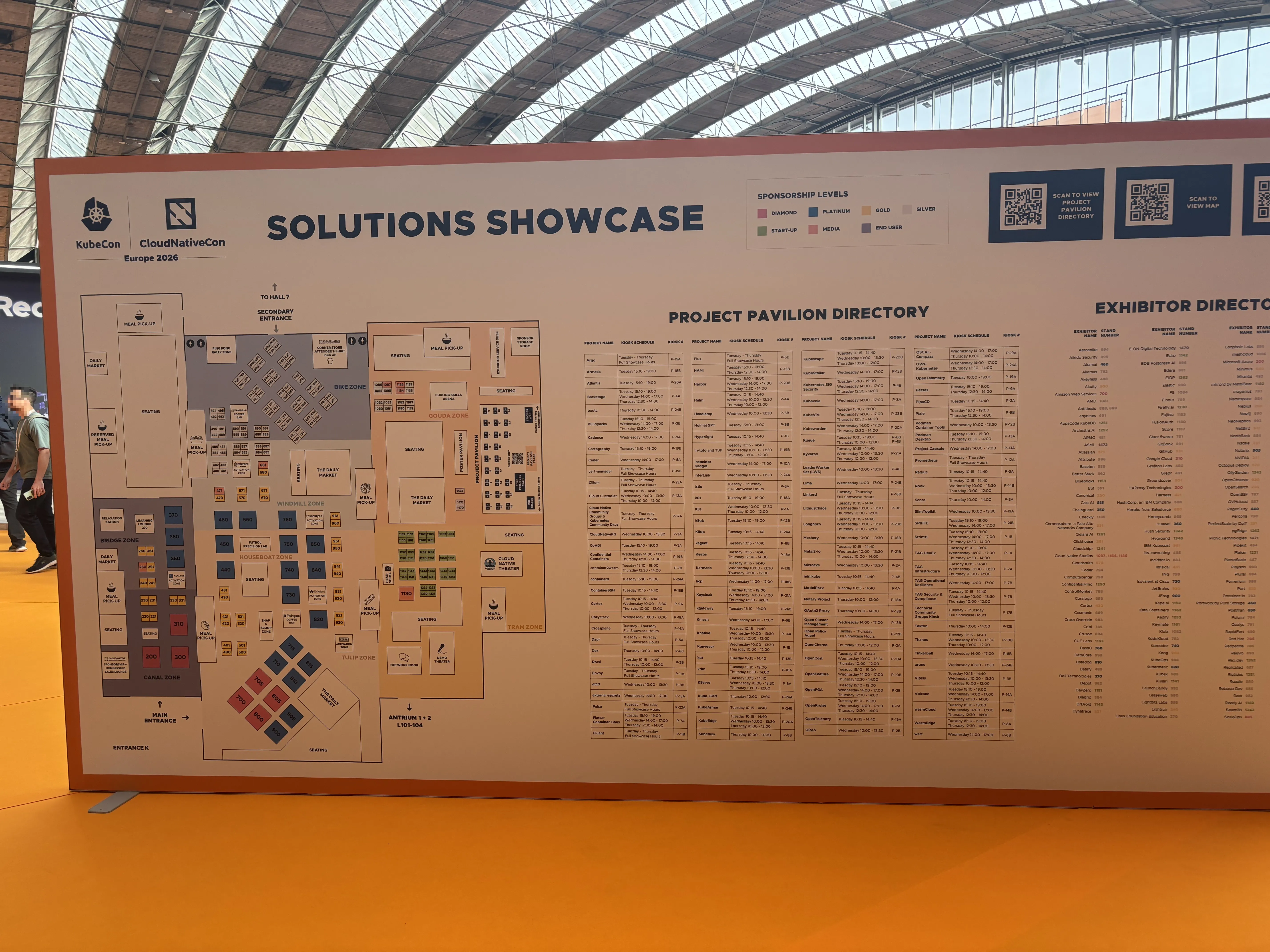
The venue was also so huge that I was overwhelmed the whole time, and there were fun little touches all over the place.
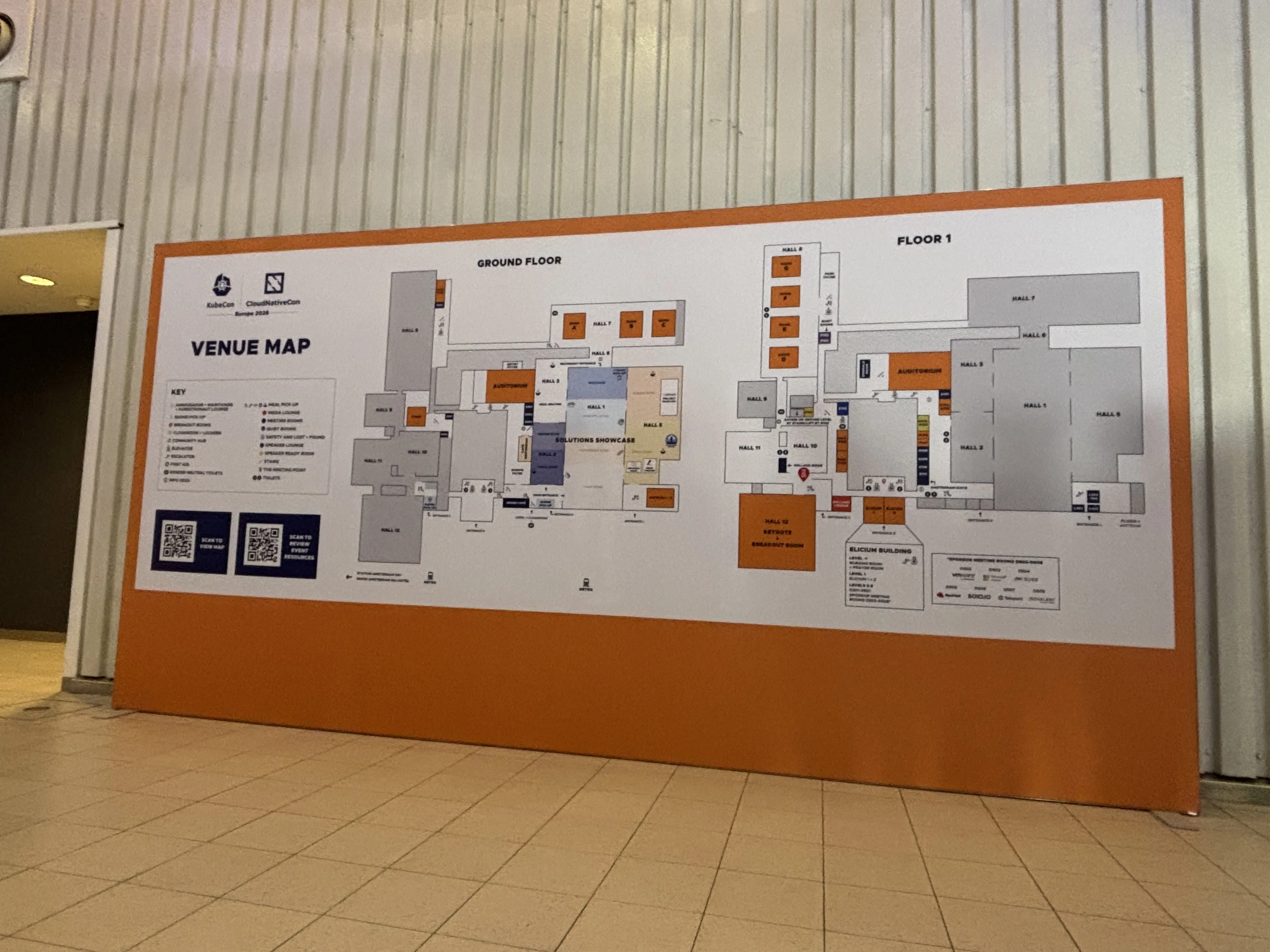
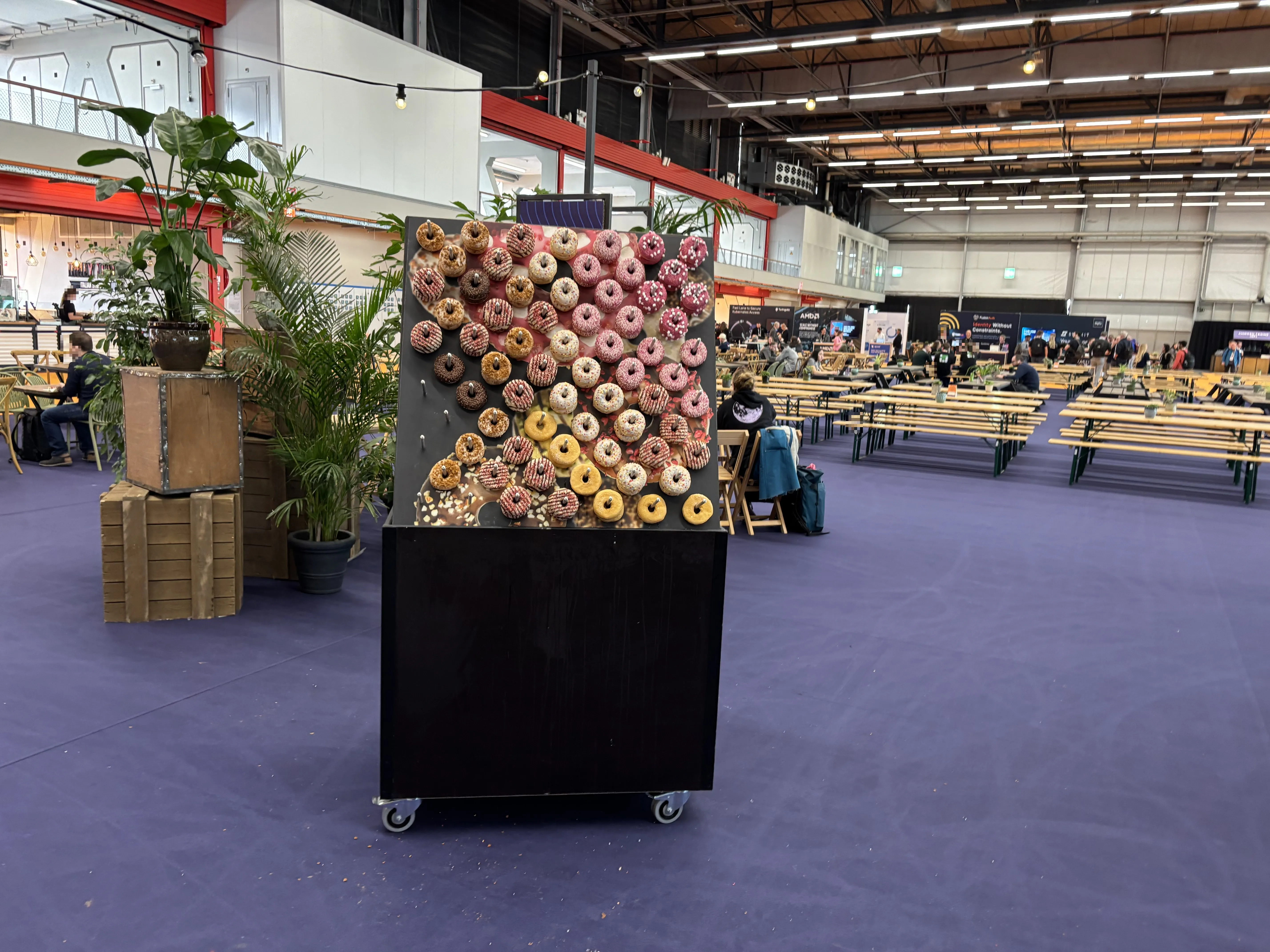
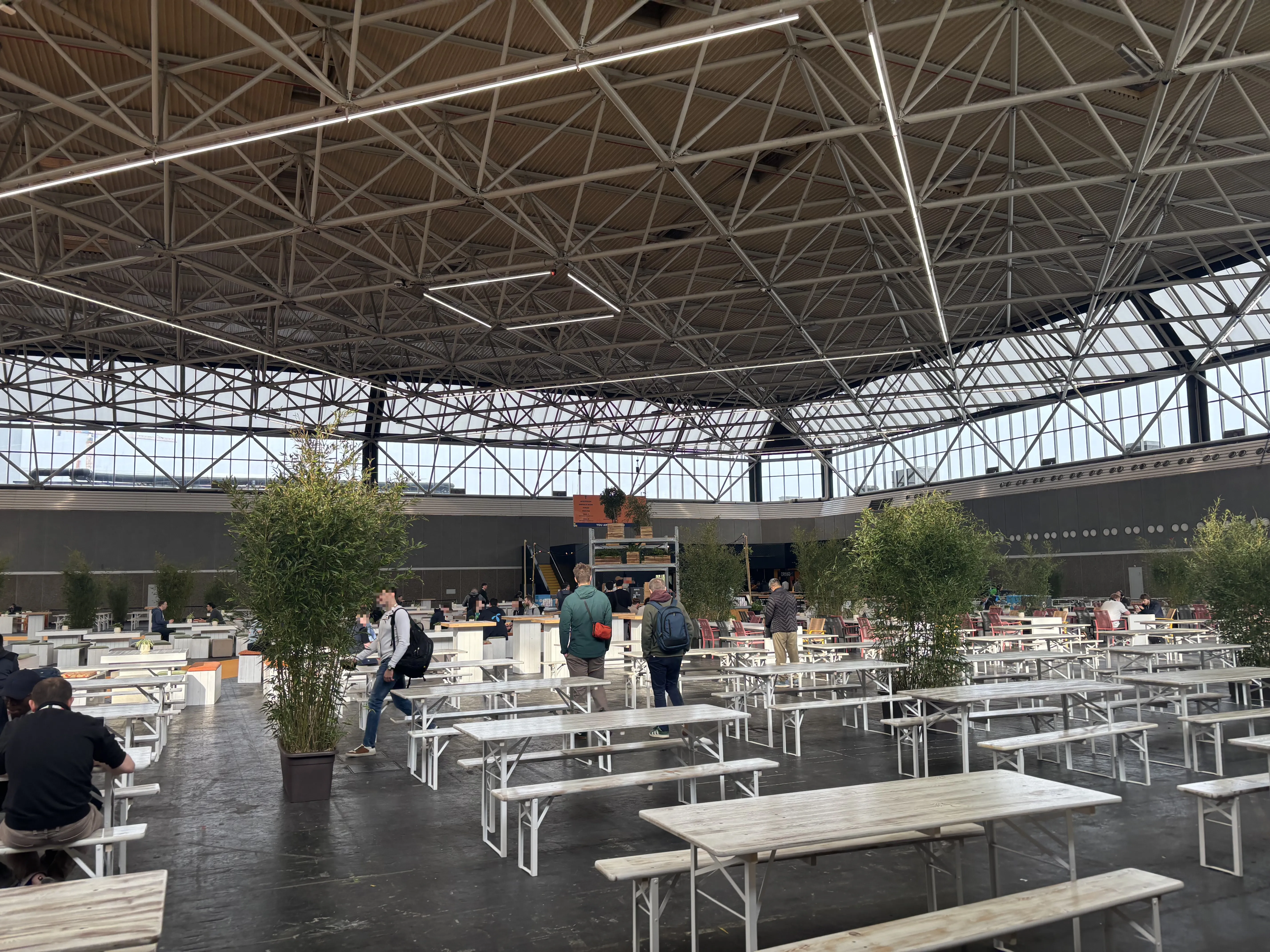
I was having so much fun with the event that it was already evening, so I grabbed an early dinner and headed back to the hotel. I had an early start again the next day, so I went to bed early this day too.
Day 3 (KubeCon day 2)#
This day was packed with plans from morning to night, so it was busy. First thing in the morning I attended an event called Platform Coffee, which I’d heard about when I was at Platform Engineering Day on day one. It’s an event where you have breakfast and coffee while discussing Platform Engineering.
After that I headed to the venue, where there was a run of sessions by people I know in the morning, so I went to listen.
- Generalizing Kubernetes Controller Sharding: Patterns That Work Beyond Simple Operators
- Hack Me If You Can: Learning Kubernetes Security Through a Role-Play Battle
I had lunch right after that, and in the afternoon there was an event to network with maintainers, so I talked with maintainers from various SIGs.
I have a talk scheduled at KubeCon Japan 2026 as part of the Maintainer Track — and it was actually here that leadership from SIG-Docs first asked me, “Want to speak at KubeCon Japan as part of the Maintainer Track?” It’s a nice story that going to a KubeCon gets you a speaking slot at another KubeCon.
In the evening there was the KubeCon+CloudNativeCon 2026 EU Japan meetup (a gathering for Japanese attendees), so I went back to the hotel to do a bit of work first, then headed to the venue. I’d been on the fence about whether to go to the Japan meetup since I already knew most of the people there, but in the end it turned out to be a really good opportunity — there were a lot of people I hadn’t seen in a while, and also people I hadn’t really talked with properly before. I’d also been thinking I wanted to co-present the Maintainer Track talk with someone, so on the spot I asked Aoi-san, who’d just finished their own talk that day and who contributes to SIG-Docs, if they’d like to present together, and they happily agreed.
I think we ended up drinking pretty late into the night that day.
Day 4 (last day of KubeCon)#
The previous two days I’d been getting up early and attending events from around 7:00, and the day before I’d been out drinking late, so this day I woke up a bit later and headed to the venue around 10:00.
After days of nonstop talking with people I was talked out, and my voice was a bit hoarse, so I kept it light — a bit of chatting with a few people and dropping in on a few sessions I was curious about in the morning.
I realized I hadn’t been into the city center at all, so while looking for a late lunch I headed toward central Amsterdam (Centrum / Binnenstad) in the afternoon and went for a walk.
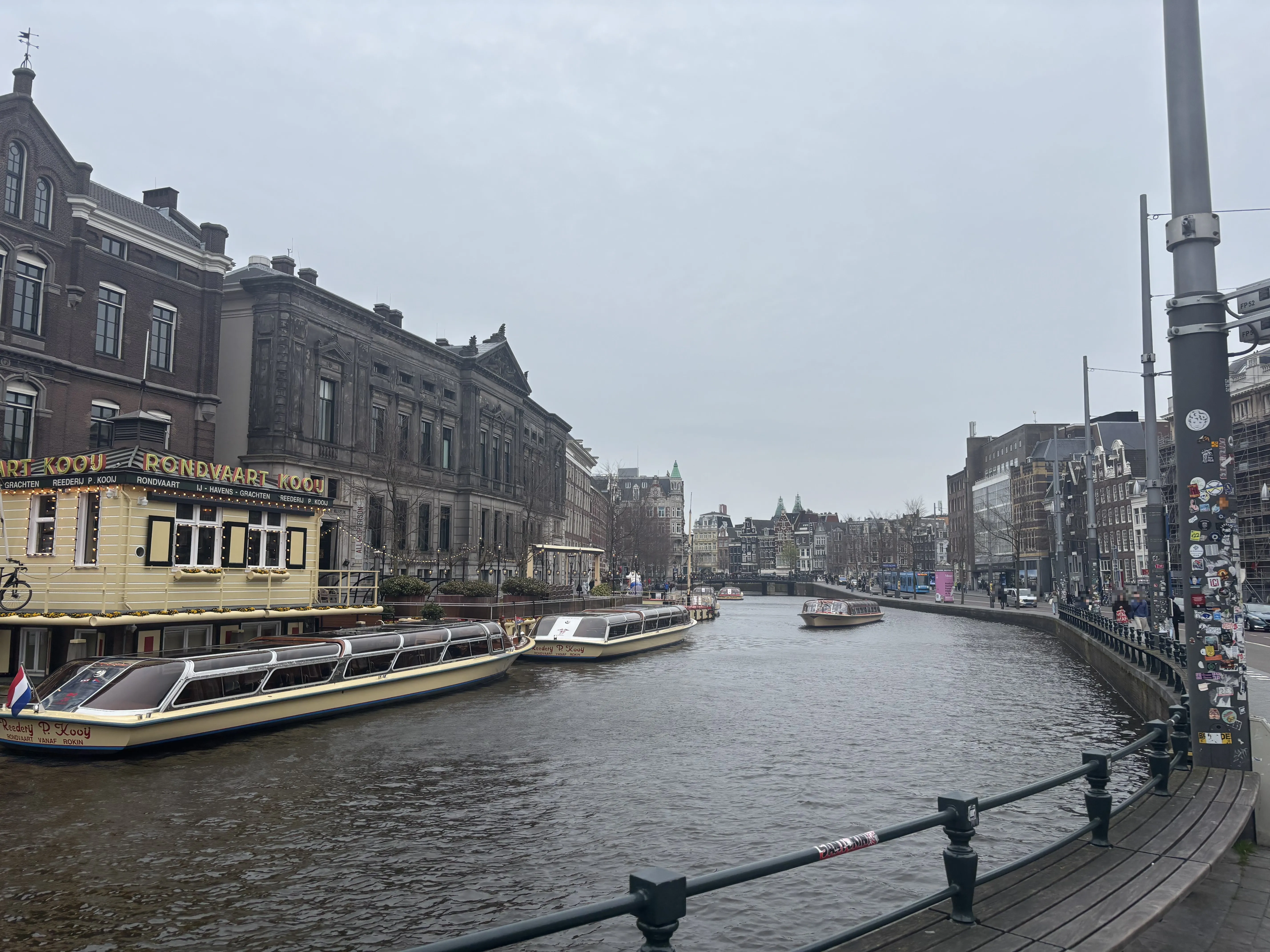
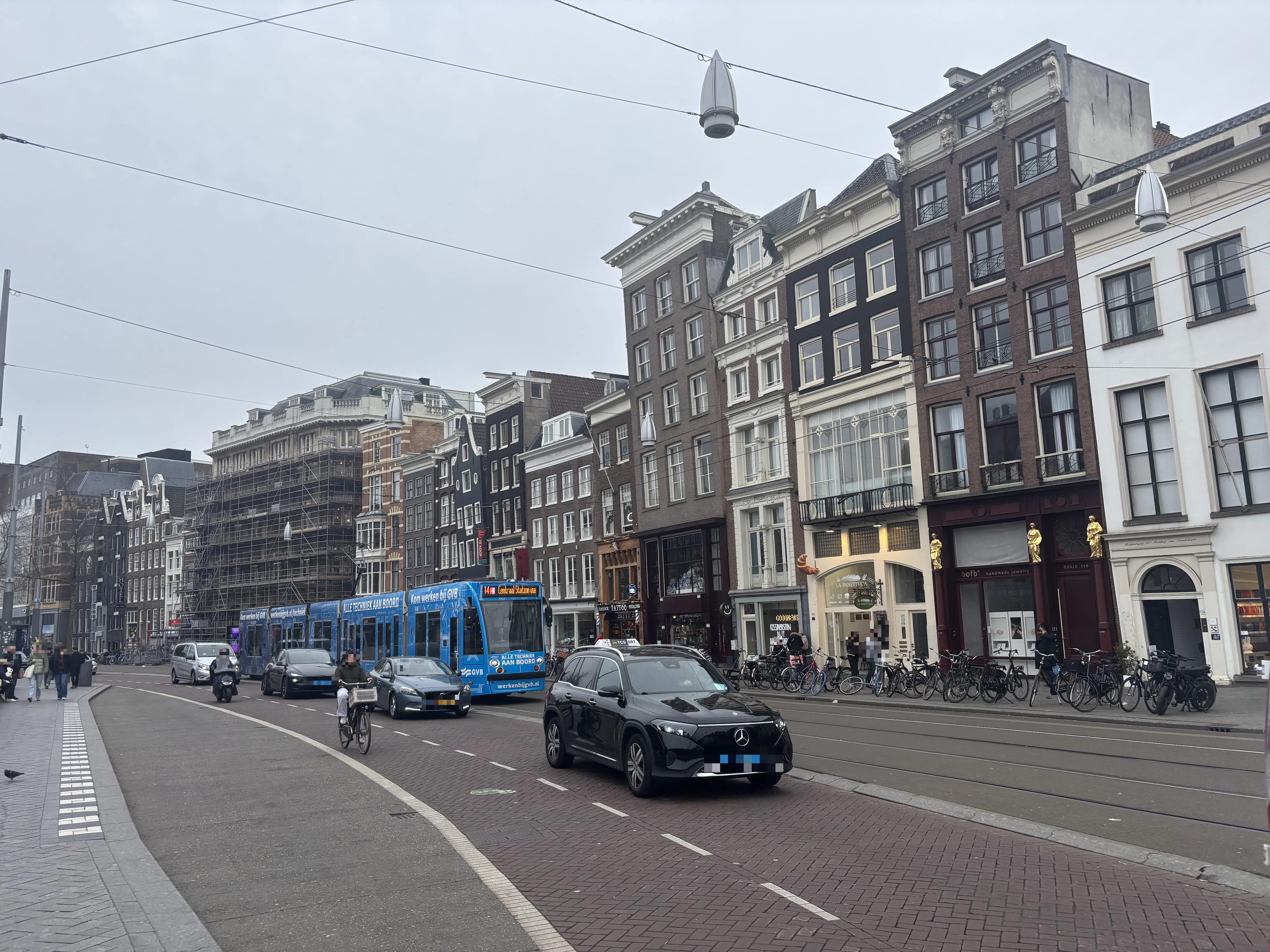
My flight the next day departed around midday, and I’d heard Schiphol gets pretty crowded, so I headed back to the hotel at a reasonable hour again this day.
Day 5#
This day was just AMS -> HKG -> NRT to get home, so nothing much to note. Sure enough, 10+ hours in economy class is pretty rough.
Glad to have made it back safely.
After getting home#
CNCF sends you a link to the expense system and so on, so you just follow that. I ran into a bit of trouble so it took a while for me, but normally it should be reimbursed within 2 weeks to a month. Make sure you have a bank with low foreign exchange fees (often an online bank) ready.
Thoughts and impressions#
First of all, it was incredibly fun and an incredibly good experience. There was way more I couldn’t fit into this post — I talked with a huge number of people, and met a lot of people in person for the first time. I really do think having the chance to meet people in person and connect with real energy matters a lot, and you get to have casual conversations you normally wouldn’t. I also realized that a lot of the higher-level, mid-to-long-term “let’s do things this way” kind of discussions tend to move forward in settings like this.
I was also happy that more people recognized me than I expected. Especially in the areas where I’m actively involved, there were several occasions where people came up and talked to me first, which made me realize you really should use your real name and a real photo on GitHub/Slack/LinkedIn.
I’d like to attend again once every year or two, and I want to actively recommend it to anyone who’s interested. I’m really grateful to LFX/CNCF (and the various organizations and companies that sponsor them) for having a program like this, and I hope it continues for a long time to come.
Plug#
Starting next week I’ll be popping up in various places at KubeCon Japan. At KubeCon I’ll be talking about the SIG-Docs Japan community, and at KubeAuto Day I’ll be talking about the CI Platform I work on. I’m also involved in some capacity with the Kubernetes Upstream Training and Platform Engineering Japan-related events, so please come by if you get the chance.
- Talk at KubeCon main conference: Beyond Translation: The Journey of Building the Japanese Kubernetes SIG Docs Community
- Talk at KubeAuto Day Japan: 170k Jobs a Day on GKE: Scaling Mercari’s CI Platform - and What’s Next for AI-Native Development
- Instructor: Kubernetes Upstream Training in Japan at Japan Community Day 2026
- Organizer: Cloud Native Platform Engineering Japan Session at Japan Community Day